The Enchanting Forests Around Oslo: A Green World of Trees, Moss, and Ancient Stone
Just beyond the vibrant cityscape of Oslo, a tapestry of emerald forests stretches in gentle hills, deep valleys, and mossy glades. These woods, part of the greater Nordmarka, Østmarka, and Lillomarka forest areas, are cherished by locals and visitors alike for their serene natural beauty, rich plant life, and quiet trails that change with every season.
A Tapestry of Trees
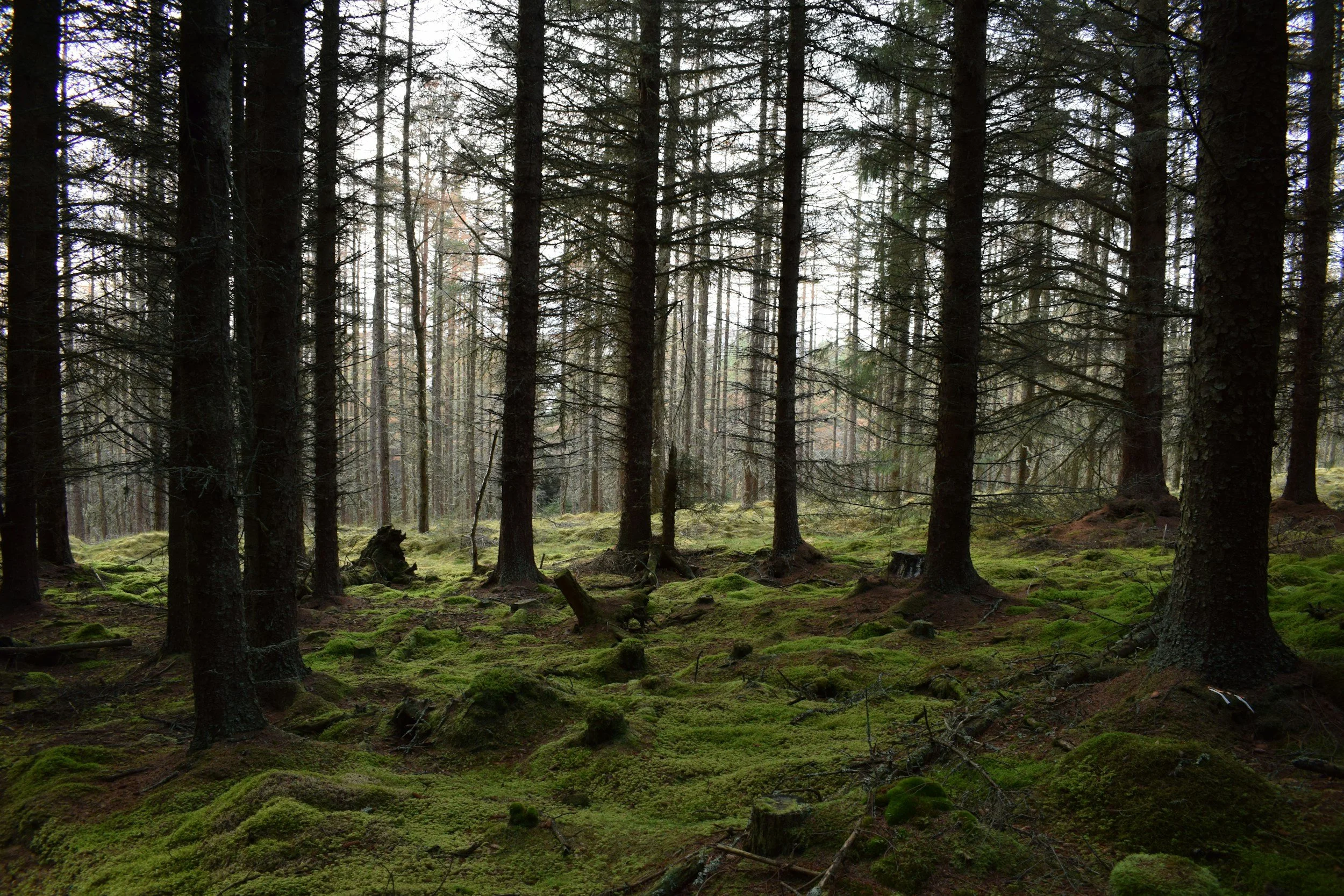
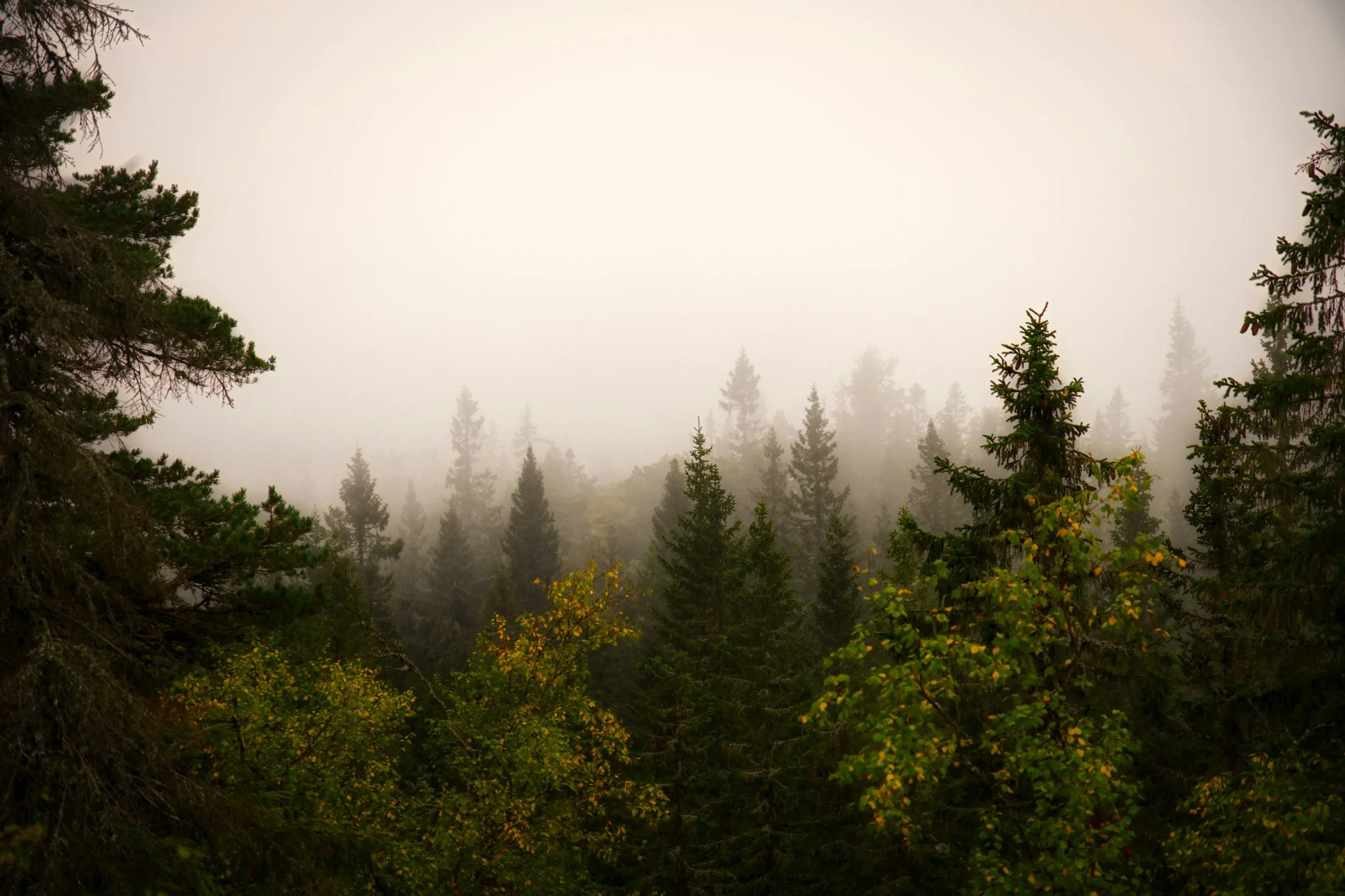
The forests surrounding Oslo are dominated by classic Scandinavian tree species that together create lush, layered woodlands. Norwegian spruce (Picea abies) and Scots pine (Pinus sylvestris) are the backbone of the landscape, their cones and needles carpeting the ground in autumn and winter. Spruce stands tend to be darker and quieter, with a dense canopy that filters sunlight into gentle green hues. In contrast, pine woods are lighter, with tall, straight trunks and orange-hued bark that glows on sunny days.
Among these evergreens, deciduous trees add seasonal diversity. Downy birch (Betula pubescens) and silver birch (Betula pendula) bring bright green in spring and gold in fall. Aspen (Populus tremula) quivers softly in the breeze, its leaves shimmering with every whisper of wind. Along valley floors and streams, alder (Alnus incana) and willow (Salix spp.) flourish, their roots stabilizing soggy soil and adding subtle textural contrast to the forest palette.
Geology and Forest Formation
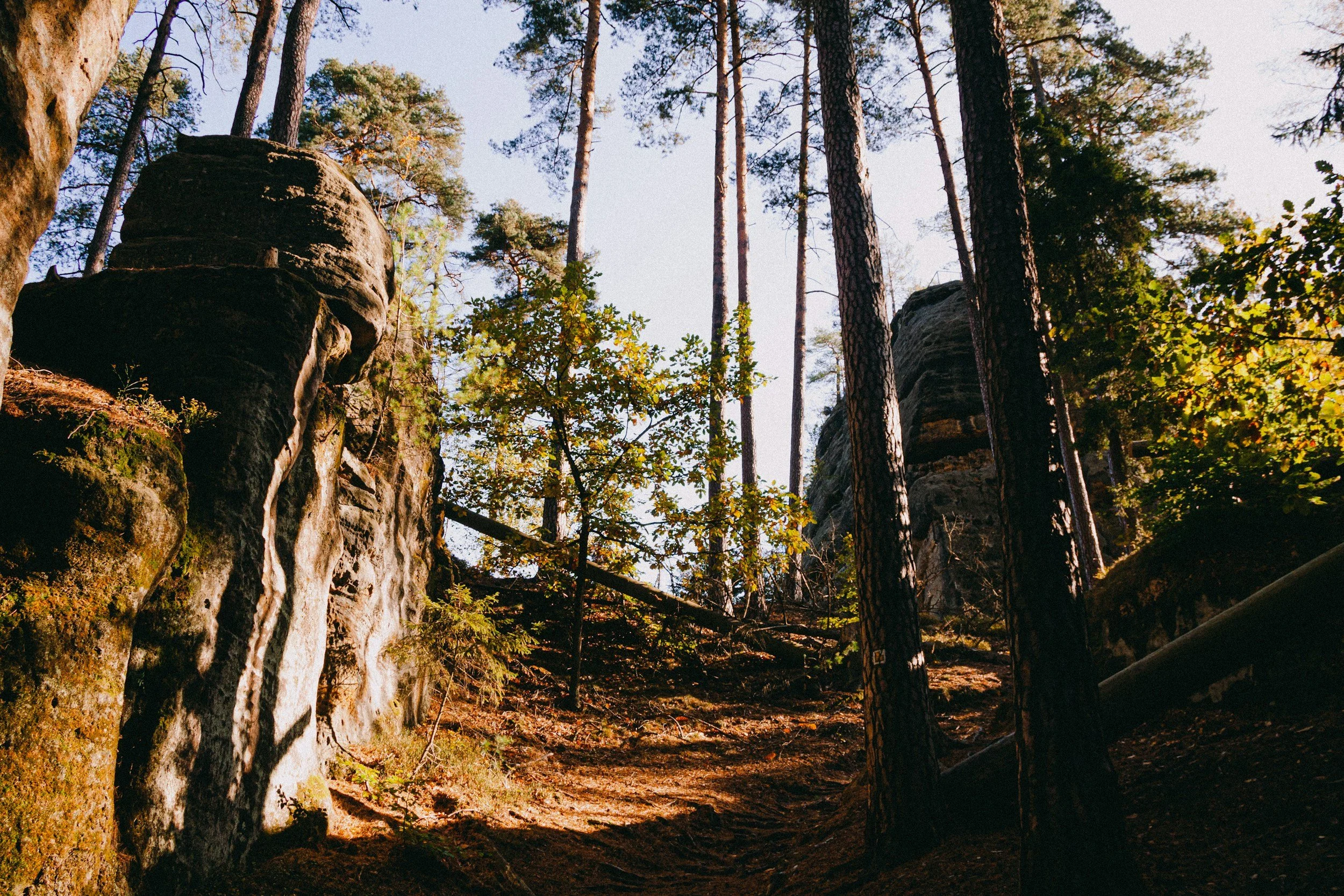
The forested terrain around Oslo lies atop some of the oldest rocks in Europe. Ancient Precambrian gneiss and granite form rolling hills and solid ridges that have withstood ice ages and millennia of weathering. During the last Ice Age, massive glaciers scoured the land, creating U-shaped valleys, striated bedrock, and fertile clay soils in lowlands where forests now grow dense.
Outcrops of bare stone often peek through moss and lichen blankets, offering hikers panoramic views. In wetter hollows, glacial deposits have formed small bogs and wetlands that support unique plant communities adapted to waterlogged soils.
The Carpet Beneath: Mosses, Ferns, and Wildflowers
Step away from the paths and your feet sink into a lush underlayer of mosses and lichens, soft as a plush carpet. These simple plants are masters of moisture and shade, thriving under conifers where sunlight barely reaches. The mossy floor cushions fallen branches and logs, slowly transforming them into fertile earth through gentle decay.
In more open patches and dappled clearings, ferns unfurl their fronds in spring and summer, adding feathery texture. Scattered among them, wildflowers such as wood sorrel (Oxalis acetosella), bluebells (Campanula spp.), and buttercups (Ranunculus spp.) bring shy splashes of color. Along stream banks, moisture-loving plants like marsh marigold (Caltha palustris) and meadowsweet (Filipendula ulmaria) thrive in the cool shade and provide seasonal accents to the verdant understory.
A Living Cultural Landscape
For centuries, Oslo’s forests have been more than wild spaces; they are part of a cultural rhythm. Timber from these woods helped fuel early industry, while moss, berries, and plants found use in traditional crafts and medicine. Today, these forests serve as a verdant refuge for walking, skiing, and quiet reflection — a living landscape that invites exploration in every season